Pray It Forward: The Family Altar

“Teach [your] children of the [loving ways] of God; [so] that the next generation might know them, the children yet unborn, and rise up and tell them to their children, so that they should set their hope in God, and not forget the works of God, but keep his commandments”

~Psalm 78

The Sacred Scriptures emphasize the honor and responsibility we have to our family and future generations to teach the ways of God. Let’s consider an object lesson; as it were, God used to open the eyes of his people to their sacred responsibility to sanctify their families.

The first books of the Bible and the book of Joshua relay the lengths God went to to establish his covenant with his creation. He chose the family of Abraham and his future generations to fulfill his desire that all creation would know of his desire to bless them. He led his people into the long-awaited Promised Land through the river Jordan under the leadership of Joshua. God instructed Joshua to tell his people, “Sanctify yourselves; for tomorrow, the Lord will do wonders among you” (Jos 3:5). And he did!

Later, when they crossed the Jordan, God instructed his people to build an altar with 12 stones from the river so that “these are to be a sign among you. When your children ask you, ‘What do those stones mean to you?’ you shall answer them, ‘The waters of the Jordan ceased to flow before the ark of the covenant of the Lord when it crossed the Jordan. Thus these stones are to serve as a perpetual memorial to the Israelites” (Jos 4:6-7).

This wasn’t the only time God instructed his people to build an altar as a remembrance (a visual reminder of God’s faithfulness), but it is one that will encourage us in our desire to live our faith effectively so that we become the holy families God desires to bless.

Altars would eventually serve other purposes: a place where parents would prophesy over their children by reminding them that they were created for a purpose—to serve the Lord God with all their mind, all their strength, and all their hearts. An altar became a sacred place where parents would release children into their prophetic destinies and where they would receive their father’s blessing. It would also become a destination to offer sacrifices of thanksgiving to the Lord on behalf of their family.

Over time, the geographical altars of remembrance became family altars in the culture of Judeo-Christian home life. It was a designated place in the home. The purpose was the same: a family remembered God’s faithfulness to their ancestors in the faith (Bible stories), and they conversed with God together, showing their love and thanksgiving for him (prayer). The benefit to future generations, of course, depended on how committed the parents were to passing on the faith to their children.

I grew up with a family altar that shifted throughout the day: from the kitchen, where we knelt at our chairs after breakfast as my father would pray for each of us before we went our separate ways, to the living room after dinner, where we listened to our father read the Sacred Scriptures, and we each learned to pray together; then to our bedsides as our mother prayed with us and tucked us into bed. Once I left home and married my husband, we built a family altar. Why? Because my parents were faithful to God by being faithful to us around the family altar, I knew the stability it provided for my development as a Christian, not to mention my self-image!

It isn’t always easy; a toddler crying at your feet or a teenager slamming their bedroom door in your face is distracting. Perseverance is required if we desire to instill in our children the stability of knowing who they are and why God created them the way he did. We must teach them, through example and habit, the beauty, goodness, and truth of The Faith.

Our desires for our family require consistent attention to God’s Word and perseverance in prayer, but where do we begin, and how do we fit it in? I would like to come alongside you to offer encouragement and practical advice for finding suitable “stones” for your family altar. We will consider other altars in the Sacred Scripture and how they can inspire us as we worship at our family altars.

Regardless of the composition of your family (mom and dad, single parent, blended family), You will discover ways to build a family altar and navigate family life under the priority of family worship. You will discover the beauty of verbally blessing your family and fostering an atmosphere of peace. We will offer practical approaches for discussing the faith with your children. And most importantly, you’ll learn how to become prayer warriors for your children and future generations.

Pray it Forward: Tradition!

“Without our traditions, our lives would be as shaky as a Fiddler on the Roof.”

The Broadway musical The Fiddler on the Roof is about a Russian village that strives to protect the traditions of Judaism to keep their religious culture alive and thriving as the pre-Holocaust world threatens to destroy them. The story’s protagonist is Tevya, who has a running dialogue with God throughout the musical. His desire to keep the tradition alive drives him to his knees about how he raises his family–he’s a lovable character because his struggle is standard in every age. At one point in the musical, his wife and he dialogue about their struggles in keeping the traditions of their faith front and foremost for their family amidst the inevitable changes they face in the culture. One of the most tender songs between the husband and wife relays what I believe you, and I feel as parents and grandparents.

Sunrise, sunset. Sunrise, sunset,
Swiftly fly the years.
One season following another,
Laden with happiness and tears.

What words of wisdom can I give them?
How can I help to ease their way?

We must ask ourselves the same questions if we hope to vibrantly live the Sacred Tradition of our Catholic Faith in our domestic church today and in future generations. How can we do that? I suggest that the daily, weekly, monthly, and yearly small “t” traditions we practice within the culture of our family support the capital “T” traditions of The Faith. We must be attentive to what habits and dispositions we form daily to protect our family and future generations from forgetting what they believe and why they believe it. The orthodox Jewish home stands on three pillars we most likely recognize: the Torah (The Law of God), Service to God, and Acts of human kindness. We are Judeo-Christians in that we are the extension and fulfillment of the history of salvation recorded in the Old Testament and fulfilled in the New Testament. And through Jesus Christ’s sacrifice for us once and for all, we are united to God for his Good Purpose. God’s Word is living and active, guiding us today as it did as it was recorded.

The Shema (Deuteronomy 6) alluded to in the musical is a declaration to adhere to as we raise a faithful Christian family. To do otherwise is to risk forgetting the purpose of our vocation as parents and grandparents. When we forget or are apathetic toward what we are about and why we observe our Faith traditions, we are in danger of our children and future generations walking away from The Faith. It is not enough to say, “That’s just what we do,” as Catholic Christians, our faith in God is to be lived purposefully, supported by faith and reason and action. Lack of attention leads to a lack of understanding, giving way to a lack of appreciation. All this culminates in a dismissal of the ancient traditions that sustain and frame the domestic church.

Beyond ensuring our children attend CCD and Sunday Mass each week, where do we form our Christian identity? In the domestic church! We take care to keep The Faith vibrant and life-giving 168 hours a week in our family’s life. The active attention to the integrity of The Faith is reflected in our thoughts, words, actions, and the choices we make for our family, and that forms the domestic church traditions that will guard our families against relegating our faith in God to just another option in a world of shinier but inferior options.

We can’t read the words of The Shema without noting how pivotal the actions are in fulfilling the ordinance. God directs Moses to remind the people: The Lord is our God, the Lord alone. You shall love the Lord your God with all your heart, and with all your soul, and with all your might. Then he instructs the people, “Keep these words that I am commanding you today in your heart. Recite them to your children and talk about them when you are at home, when you are away when you lie down, and when you rise. Bind them as a sign on your hand, fix them as an emblem on your forehead, and write them on the doorposts of your house and on your gates .…You must diligently keep the commandments of the Lord your God, his decrees, and his statutes that he has commanded you. Do what is right and good in the sight of the Lord, so that it may go well with you, and so that you may go in and occupy the good land that the Lord swore to your ancestors to give you, thrusting out all your enemies from before you, as the Lord has promised. (Deuteronomy 6:4-19)

Friends, we live in a culture that is anti-Christ, which is the enemy at war against us. It is the enemy we must thrust out before us one deliberate action at a time. In the words of Tevya, “Without our traditions, our lives would be as shaky as a Fiddler on the Roof.”

Resource recommendations:
The Catholic All Year Compendium: Liturgical Living For Real Life by Kendra Tierney
The Catholic Home: Celebrations and Traditions for Holidays, Feast Days, and Every Day by Meredith Gould
Theology of Home: Finding the Eternal in the Everyday by Carrie Gress, PhD

Pray It Forward: Praying with Authority

In the story of Creation, there is an exchange between God and Cain (the first son of Adam and Eve). Cain had an anger management problem that stemmed from envy and jealousy. Following is the conversation before the first murder was committed from Genesis 4:5-7:

So Cain was very angry, and his countenance fell. The Lord said to Cain, “Why are you angry, and why has your countenance fallen? If you do well, will you not be accepted? And if you do not do well, sin is lurking at the door; its desire is for you, but you must master it.”

Cain probably didn’t set out to commit murder, but he chose not to master his envy, jealousy, and anger; because Cain refused to master these sins, he descended a ladder, so to speak, into mortal sin. (”Veniel sin is a sin that is relatively slight, or that is committed without complete reflection or consent. While a venial sin weakens the sinner’s union with God, it is not a deliberate turning away from God and so does not wholly block the inflow of sanctifying grace. An example of such a sin might be gossip, impatience, or a failure to pray. Venial sins are usually contrasted with mortal sins, which are the gravest of sins and represent a deliberate turning away from God.”)

It’s most likely that the enemy of our child or grandchild’s soul will never take possession of them to such an extreme mortal sin against the LORD. However, consider the venial sins of Cain–envy, jealousy, anger, lying. We sometimes witness those things in our lives and our family, right? What is our role as parents and grandparents when we notice venial patterns set into the mind, body, and soul of our loved ones?

First and foremost, we live a life of integrity before them! Little eyes and ears are always watching and listening! Our speech patterns and attitude can foster goodness, however; if our venial sins go unchecked, they can infest our lovies with the same venial sins we have not mastered. That’s enough about that. Let’s consider our authority as children of God when we pray for our family.

There is one resource other than the Sacred Scripture that I sometimes employ in my intercession for my family. They come from the book Deliverance Prayers For Use by the Laity by Father Chad Ripperger, a priest, theologian, and exorcist for The Roman Catholic Church. The book has the Imprimatur, which assures us as the laity that we can utilize the prayers in our intercession with confidence in the Sacred Authority of The Roman Catholic Church. As the laity, we cannot be exorcists, but we must intercede with the constant petition for protection from the evil one when we observe the enemy lurking about the door of their minds. We can pray the words of the prayers of deliverance on behalf of our family in the name of Jesus, who has conquered death, hell, and the grave. St. Peter, referring to the Risen Savior, proclaimed to the religious court of Israel (Acts 4:12):

There is salvation in no one else, for there is no other name under heaven given among mortals by which we must be saved.

By the time St. Peter proclaimed this to the religious court, he had already given into the temptation that it was up to him to save himself from the threats of evil. But he learned through his remorseful failures that salvation is from no one else but Jesus. He later goes on to warn believers in a letter to them (I Peter 5:7-9).

Cast all your anxiety on him because he cares for you. Discipline yourselves, keep alert. Like a roaring lion your adversary the devil prowls around, looking for someone to devour. Resist him, steadfast in your faith, for you know that your brothers and sisters in all the world are undergoing the same kinds of suffering.

We have a Savior; we can cast all our anxiety on him for our loved ones, and he will always come through for us. Just this morning, as I was praying for my family and future generations, I was overcome by an urgency to pray against the enemy’s influence on them. I don’t know why and will probably never know why the Holy Spirit prompted me to pray so specifically at that moment, on this day, in this year, but I am confident that the prevenient grace of God took action in the life or lives of my family! Praying In the Name of Jesus is our only hope for the protection and salvation of our loved ones.

Follows is a prayer from Deliverance Prayers that is referred to as the Short-Form Deliverance prayer. I commend it to you as a weapon in your prayer arsenal against the adversary of our soul that prowls like a roaring lion seeking to devour.

In the Name of the Lord Jesus Christ, I bind you, Satan, and all your evil forces by the power of His Cross, His Blood, and His resurrection. I take authority over all evil influences that are directed against [ ]. I break them by the power and authority of our Lord Jesus Christ. I bind all evil interactions, interplay, and communications between spirits sent against [ ], and send them directly to Jesus Christ to deal with as He wills…I ask Jesus, the son of the living God, to pour His shed Blood over every aspect of [ ] life for their protection. I pray all this in the precious Name of my Lord and Savior, Jesus Christ. –Amen

****

Pray It Forward: Cast Your Bread Upon the Water

“…Give, and it will be given to you. A good measure, pressed down, shaken together, running over, will be put into your lap, for the measure you give will be the measure you get back.”

St. Luke 6:38

Send out your bread upon the waters,
    for after many days, you will get it back.
..

Ecclesiastes 11:1

Consider

Jesus teaches us that giving of ourselves to others results in a reward. The same principle applies in His Kingdom’s economy of abundance when we cast our prayers upon Him. When we intercede, we surrender our most profound concerns for our loved ones to Him. Some of us have been praying for years for a loved one, but we are losing hope that God will answer our prayers. It can be challenging to entrust our loved ones to our Lord, whether it is a wayward child, a broken marriage, a chronic disease, or any other issue. It boils down to this: the tricky part about giving our children and grandchildren to the Lord is that we must let go, which can seem impossible. How is it going for you?

The most powerful way to communicate with God is by using His Word. One of the best things we can do for ourselves is engage with the Sacred Scripture, which helps us find peace when we are struggling with our loved ones. We immerse ourselves in His grace when we meditate on God’s Word. We can be confident that His Word always hits the mark. The writer of the letter to the Hebrews reminds us that the Word of God is alive and active, sharper than any double-edged sword. It can divide the soul from spirit, joints from marrow, and judge the thoughts and intentions of our hearts. (Hebrews 4:12)

My prayers for my present and future family members may not be perfect; I’m just not that good! However, when we pray using the Word of God, the Holy Spirit interprets our words and makes them effective.

Likewise, the Spirit helps us in our weakness, for we do not know how to pray as we ought, but that very Spirit intercedes with sighs too deep for words. And God, who searches the heart, knows what is the mind of the Spirit because the Spirit intercedes for the saints according to the will of God.

Romans 8:26-27

If you need more encouragement for your intercessory prayers, consider the power of God’s Word described by the prophet Isaiah.

For as the rain and the snow come down from heaven,
and do not return there until they have watered the earth,
making it bring forth and sprout,
giving seed to the sower and bread to the eater,
so shall my word be that goes out from my mouth;
it shall not return to me empty,
but it shall accomplish that which I purpose,
and succeed in the thing for which I sent it.

Isaiah 55: 10-11

When we entrust the well-being of our loved ones to God by praying His Word, we may have a solid urge to dictate precisely how we want Him to answer our prayers. However, we must trust that His Holy Spirit will translate our requests according to His will. Even though the answer may not come immediately, we can be confident that God will fulfill His purpose for our loved ones in abundance and with incredible generosity as they respond to his grace and salvation.

Pray

Lord, you promise to keep [ ] from all evil and keep [ ] life in your hands. You know [ ] comings and goings from this time on and evermore. I entrust [ ] to you; do with [ ] what You will!

In the name of the Father, and the Son, and the Holy Spirit. Amen

Act

Start a prayer journal dedicated to intercessory prayer for your family. As you read the Daily Office, you will discover how to form the Scripture into prayer. Here are a few samples from today’s liturgy:

The Lord God will wipe away the tears from all faces, and he will take the disgrace of his people from all the earth, for the Lord has spoken. Isaiah 25:8

Oh Lord God, I carry [ ] to your loving arms, and I ask that you wipe away her tears and assure her of your unfailing love for her. You know the disgrace in her life and how it affects her mind and body. Comfort her for me today. –Amen

Light dawns for the just and gladness for the upright of heart. Be glad in the Lord, you just, and give thanks to his holy name. Psalm 97:11-12

God of Light, shine on [ ] as he strives to be a godly father. Grant him an upright heart so that he gladdens the heart of his children. May he live a life of gratitude before all people. –Amen

Pray It Forward: “Too Heavy for Me”

“Do not lose heart, even if you should discover that you lack qualities necessary for the work to which you are called. He who called you will not desert you, but the moment you are in need, he will stretch out his saving hand.”

– St. Angela Merici

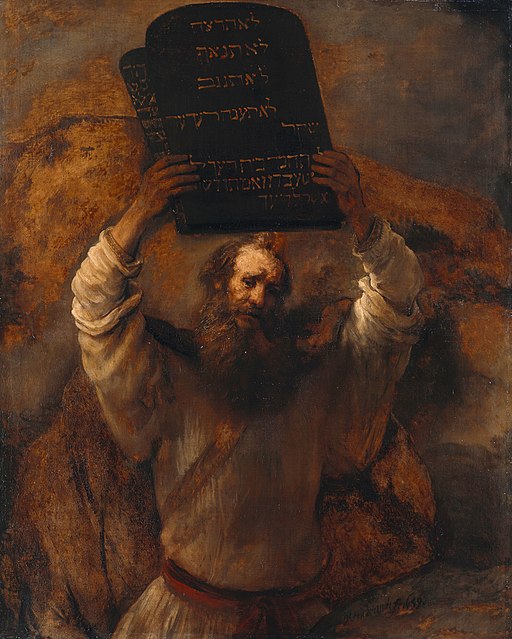
Moses, the quintessential priest of the Old Testament, stood before the Lord after leading God’s people away from the bondage of slavery, lamenting to him about the burden he had to carry as the leader in The Exodus from enslavement in Egypt to the land God had promised to give them where they would be free from oppression. It was a noble calling for this faithful man, but it wasn’t a walk in the park. The people of God were complaining, “We are hungry and thirsty…we are tired and weary…we want things to return to the way they used to be.” And the list of complaints kept growing. Moses cried out to God, “I cannot carry this people by myself, for they are too heavy for me.” (Numbers 11) Do those complaints sound familiar to you? If you are a parent/grandparent, you regularly hear these honest complaints in one form or another. It’s normal for children to make their needs known to their parents, but the yammering can get tiring when it embeds in the disposition of their minds as they grow! Our role in their lives is to lead them out of their immaturity and self-preoccupation, first by example, but discipline is sometimes needed to correct their ingratitude. That gets exhausting, doesn’t it? The Lord desires us to intercede as we lead; the Holy Spirit will guide us as we guide them to the “promised life” of contentment. Like Moses, when we cry out to the Lord that we are at a loss on how to carry our loved ones into young adulthood and that, at times, parenting is too heavy for us, he gives us just the right guidance and energy to stay the course.

Consider

What burden for your children/grandchildren do you carry that causes you to cry to the Lord that it is too heavy for you? Name them to the Lord. He knows already, but we need to voice them. I started a prayer journal for our family as we were raising them, and I continue to use it as a mother to adult children and their spouses, as well as my grandchildren and future generations. I’ve prayed my way through nearly 43 years of ups and downs, loss and gain, joys and sorrows. My Savior and Friend sits with me as I’ve poured my heart out to him on behalf of my loved ones. Perhaps that would be helpful for you. How can you pray for your family today? Simply asking the Lord to have mercy on them is often enough, but praying the Scripture over them is also needed, for it is the ultimate weapon we have against the malignant enemy of the souls of our families.

Pray

Father, your Word says, When the righteous cry for help, the Lord hears and rescues them from all their troubles. (Ps 34:17) I ask that you give [ ] unusual strength to stand up under whatever causes them to be discouraged and fretful. Your Word promises you will rescue us when our spirit is overwhelmed (Ps 143:4). I entrust [ ] to you today and ask that you grant them a lightness of spirit as they go throughout their day. Help [ ] to place their confidence in you as they face circumstances that may seem too heavy for them.

In the name of the Father and the Son and the Holy Spirit. Amen

Act

Talk with your children/grandchildren, appropriate to their age, about their complaints and frustrations. You may find that their complaints are legitimate (like the Israelites’ hunger) or that they don’t like change, especially when it’s hurried change. Talk about ways to help them adjust to new things rather than complain about them. You may want to ask them how you could prepare them for transition better. I had two children and now several grandchildren who struggle with change when it appears to threaten their sense of security. The Holy Spirit gave us helpful insight when we were parenting the said children; they now use it with their own children. We would begin preparing them for the disruption and talk about the upcoming event days and sometimes weeks ahead, depending on the significance of what was coming. Once they knew we would listen to their concerns about what was ahead of them and prayed with them about their worries, the complaining subsided. The importance of consistency can’t be overstated regarding renewing our mindsets, especially in children’s lives.